
Beating the blues with a biro
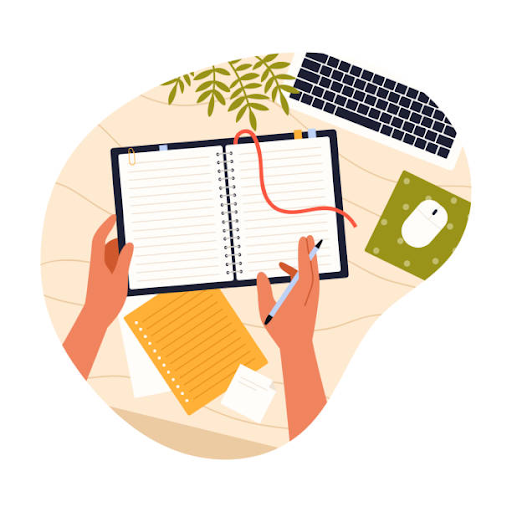
“I can shake off everything if I write; my sorrows disappear, my courage is reborn,”
Anne Frank
I actively chose not to write a blog post in January for various reasons. There is a lot of talk about resolutions and ‘new year, new me’ and to be honest I find it all a bit overwhelming. The kids didn’t go back to school until the 2nd week of January and then it’s another week of getting back into a routine. Before I knew it, we were 3 weeks in, and I had only just got over the festive period! My thinking was ‘new year, still same me’. This year I decided that was ok though. In fact, it’s ok for February too. I will be setting some goals for the upcoming year; however, I have decided to wait until 1st March when the weather improves, the nights start to get lighter, and I feel more motivated to act. Luckily that isn’t far off now! Despite not intentionally sitting down and writing my goals yet, I have been giving thought to what I would like to start including in my life this year, and I keep coming back to journalling (no eye rolling please). I know how helpful journalling can be and it’s a self-care tool that I know has helped my clients and may be able to help you too. I’m secretly hoping it might inspire me as well 😊
What is journalling?
Journalling in some form or another has been around for thousands of years and is pretty straight forward. You can’t get this wrong. It’s a great way to get out of the muddle of your head and gain some clarity on your thoughts and feelings. It’s a therapeutic tool that lets you release and process emotions in a safe way through writing. Once you’ve got everything out onto paper, it’s much easier to refocus on your priorities.
How do you do it?
As I said it’s easy, and the most important factor is that you find a style that fits in with you and your life. Let the words tumble out in anyway without paying attention to spelling mistakes or grammar. Try to avoid judging or criticising yourself as this will not do your self-esteem any good and won’t encourage you to want to do it again! Instead try to be curious about why you feel a certain way rather than berating yourself for feeling it. If you can turn it into a habit, then even better. It doesn’t have to be daily, find what works for you and stick to that. There are different styles of journalling but here are a couple that my clients have found useful –
Free flowing journaling – With this, you just put pen to paper and let the words flow. This style can feel quite liberating, and you just write whatever comes into your mind with no restrictions. Some clients like to do this before bed and have found it helpful with their sleeping as there is less going through their mind when they are trying to switch off.
Gratitude journaling – This is focussing on the positive aspects of life that you are grateful for. When you focus on the positive parts of your life and write down things that you’re grateful for, you train your brain to look for the good in every situation. This is a favourite of mine and is something I do every day. Even if I don’t write it down, I do spend a few minutes thinking of what I am grateful for in the day, usually at bedtime. I have been doing this for a while now and it has become a natural part of my routine and lifts my mood if I am feeling low. I also try to incorporate this as much as possible with my kids and teatime seems to work for us. My 5-year-old will often start telling me what he’s grateful for before I even sit down to eat!
If starting journaling seems just too daunting, then going back to basics with a diary or calendar can be a great starting point. Perhaps on a Sunday evening you could plan out what you need to do over the next week and then write a few lines at the end about how that makes feel. Even bullet pointing emotions that you notice arise in your body will help you to connect with what is going on for you.
What’s the point?
Well, there are lots of points and the more I hear or read about the benefits then the harder it is to ignore! If you still need convincing, then here are a few –
Journalling is a powerful tool for reducing stress and anxiety. When you write down your thoughts and feelings, you give yourself a safe space to express yourself without fear of judgment. This can be especially helpful if you’re dealing with difficult emotions like anger, frustration, or sadness.
Journalling can improve your memory as you recall details from past experiences and significant experiences that have happened to you, including the positive ones! If kept and referred to later these positive experiences can lift your mood and remind you that good things do happen in life.
It can clarify your thoughts and goals. When you write down your thoughts and ideas, you give yourself a chance to organize and make sense of them. This can be especially helpful if you’re feeling overwhelmed or unsure about your next steps.
Journalling can help you track your progress over time. When you write down your goals and track your progress, you give yourself a sense of accomplishment and motivation to keep going. This can be especially helpful if you’re working towards a bigger long-term goal such as a health improvement.
Journalling can help you cultivate a more positive mindset. When you focus on the positive aspects of your life and write down the things that you’re grateful for, you train your brain to look for the good in every situation. This can help you develop a more positive outlook and improve your overall mood.
Journalling can help you discover new things about yourself which is exciting! Writing can uncover hidden desires, strengths, and weaknesses, leading to personal growth and self-awareness. By understanding yourself better, you can make more informed decisions and live a more fulfilled life.
If you are feeling a bit stuck on where to start here are a few helpful journal prompts to get you started. The idea is that they invite you to think a little deeper than we do in our normal day to day life.
- Share three things that made you smile today.
- Think about what you would do with your life if you had unlimited resources.
- Identify your biggest fears and insecurities.
I hope you have found this useful and if you would like to connect with me or even just let me know how your journaling is going then drop me an email at info@cheriseainleycounselling.co.uk or through the contact form on my website.
Happy writing 😊
Leave a Reply